Skip to content
Tanzania is a dream destination for trekking enthusiasts, offering some of the most breathtaking landscapes in Africa. From the snow-capped summit of Mount Kilimanjaro to the lush highlands of the Ngorongoro Conservation Area, Tanzania’s diverse terrain offers unforgettable trekking adventures. Whether you’re an adrenaline-seeking adventurer, nature enthusiast, or cultural explorer, trekking in Tanzania promises a truly extraordinary experience.
In this comprehensive guide, discover Tanzania’s top trekking destinations, what makes each unique, essential travel tips, and the best time to visit Tanzania for trekking.

Why Go Trekking in Tanzania?
1. Iconic Mountain Landscapes
Tanzania is home to Africa’s highest mountain, Mount Kilimanjaro (5,895m), and the continent’s fourth-highest peak, Mount Meru (4,565m). These majestic mountains offer both challenging and scenic trekking routes, attracting climbers from around the globe.
2. Wildlife and Scenic Beauty
Unlike typical mountain treks, many trails in Tanzania traverse national parks teeming with wildlife. Trekkers may encounter elephants, buffaloes, and colobus monkeys along the way. The Ngorongoro Highlands and Usambara Mountains provide a stunning mix of rugged terrain, dense forests, and rich biodiversity.
3. Authentic Cultural Experiences
Trekking routes often pass through Maasai villages and Chagga communities, providing immersive cultural experiences. Enjoy homestays, traditional dances, and visits to vibrant local markets as part of your journey.
4. Trekking for All Skill Levels
Whether you’re a beginner or an experienced trekker, Tanzania offers trails to suit every level—from the demanding Kilimanjaro summit to moderate hikes in Mount Meru and relaxing nature walks in the Usambara Mountains.

Top Trekking Destinations in Tanzania
1. Mount Kilimanjaro – The Roof of Africa
Best For: Adventure seekers aiming to conquer Africa’s highest peak.
Popular Routes:
- Marangu Route (5–6 days) – Known as the “Coca-Cola Route,” with hut accommodation
- Machame Route (6–7 days) – Popular and scenic
- Lemosho Route (7–8 days) – Remote and less crowded
- Rongai, Shira, Umbwe, and Northern Circuit Routes
Highlights:
- Trekking through five ecological zones: rainforest, moorland, alpine desert, and more
- Sunrise at Uhuru Peak
- Unique alpine flora like giant lobelias and groundsels
Best Time to Climb Kilimanjaro:
January–March and June–October (dry seasons)
2. Mount Meru – Kilimanjaro’s Little Brother
Best For: Trekkers seeking a shorter but equally rewarding climb.
Key Route:
- Momella Route (3–4 days)
Highlights:
- Spectacular views of Mount Kilimanjaro
- Wildlife sightings in Arusha National Park
- Quieter and less crowded than Kilimanjaro
Best Time to Trek:
June–February
3. Ngorongoro Highlands – A Volcanic Wonderland
Best For: Hikers who enjoy dramatic crater landscapes and wildlife spotting.
Top Trek:
- Ol Doinyo Lengai (Mountain of God) – An active volcano (2,962m)
Highlights:
- Possible nighttime lava flows (for advanced trekkers)
- Cultural encounters with the Maasai
- Panoramic views of Lake Natron and the Great Rift Valley
Best Time to Trek:
June–October
4. Usambara Mountains – The Green Paradise
Best For: Nature lovers and cultural trekkers.
Recommended Treks:
- Lushoto to Mtae (moderate, 2–3 days)
- Magamba Rainforest Trail (easy day hike)
Highlights:
- Pristine forests, waterfalls, and over 400 bird species
- Visits to farms, eco-villages, and local schools
- Cooler climate ideal for hiking
Best Time to Visit:
April–November
5. Udzungwa Mountains – The “Galápagos of Africa”
Best For: Biodiversity lovers and off-the-beaten-path explorers.
Top Trek:
- Sanje Waterfalls Trail (moderate, 4–6 hours)
Highlights:
- Rare species like the Iringa red colobus monkey
- Swimming in natural waterfall pools
- Remote location with fewer tourists
Best Time to Trek:
June–October

Essential Trekking Tips for Tanzania
1. Train in Advance
High-altitude treks like Kilimanjaro and Meru require physical preparation. Engage in regular cardio, strength training, and practice hikes with a loaded backpack. If possible, train at high elevations.
2. Pack Smart
- Clothing: Layered outfits for fluctuating temperatures, waterproof outerwear, and durable boots
- Gear: Trekking poles, headlamp, quality sleeping bag (for camping routes)
- Health & Safety: Diamox (altitude sickness), water purification tablets, insect repellent, and sunscreen
3. Acclimatize Properly
Avoid altitude sickness by taking it slow.
- Opt for longer routes (7+ days for Kilimanjaro)
- Follow the “climb high, sleep low” principle
- Hydrate (3–4 liters daily) and avoid alcohol
- Listen to your body—descend if symptoms worsen
- Consult a doctor about Diamox as a preventive measure
Trekking guides closely monitor your oxygen levels and pace your climb to maximize safety and summit success. Remember, pole pole (slowly, slowly) is the golden rule in Tanzania!
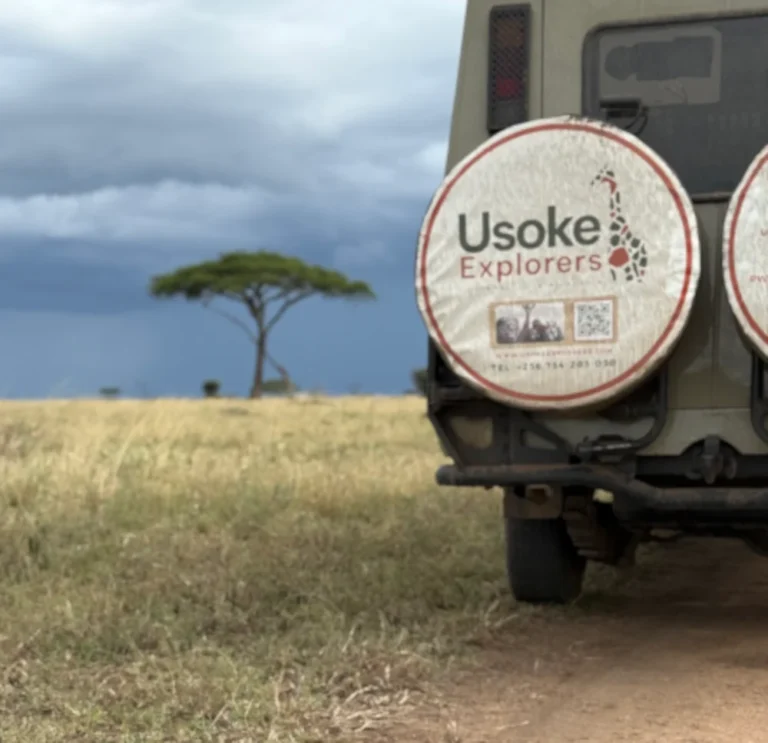
Why Trek with Usoke Explorers?
- Local, experienced guides who know the terrain and culture.
- Eco-conscious adventures supporting local communities.
- Customizable itineraries for all fitness levels.
Insider Tip: Always remember the golden Tanzanian trekking mantra—pole pole (slowly, slowly). Acclimatize, hydrate, and enjoy the journey.
Ready to explore Tanzania like never before? Book your trek with Usoke Explorers and write your story on the trails of Africa.
Conclusion
Trekking in Tanzania is a once-in-a-lifetime experience blending adventure, wildlife, and rich cultural encounters. Whether you’re climbing Mount Kilimanjaro or exploring hidden trails in the Usambara Mountains, Tanzania’s hiking tours promise both challenge and reward. With proper planning, gear, and guidance, your journey through Africa’s wild beauty will be unforgettable.
Explore our trekking packages or contact us to start planning your adventure!