Skip to content

5 Best Safari Destinations in East Africa
East Africa is one of the world’s most extraordinary safari destinations, offering remarkable wildlife encounters, spectacular natural landscapes, rich cultural heritage, and some of Africa’s most celebrated national parks and wildlife reserves. From trekking endangered mountain gorillas in Uganda’s mist-covered rainforests to witnessing millions of wildebeest cross the vast savannah plains of Kenya and Tanzania, an East African safari offers experiences that few other destinations can match.
Whether you dream of photographing elephants beneath the snow-capped Mount Kilimanjaro, watching lions hunt on the open plains, experiencing the Great Wildebeest Migration, or descending into an ancient volcanic crater filled with wildlife, East Africa has something for every nature lover and adventure seeker.
Uganda, Kenya, and Tanzania are particularly renowned for their diverse ecosystems and outstanding safari opportunities. Each country provides a different experience, making it possible to combine primate trekking, traditional Big Five game drives, cultural encounters, and breathtaking scenery into one unforgettable African adventure.
If you are planning your first African safari or returning to explore more of the continent, here are five of the best safari destinations in East Africa that deserve a place on your travel itinerary.
1. Bwindi Impenetrable National Park, Uganda – The Ultimate Mountain Gorilla Trekking Destination
Located in southwestern Uganda, Bwindi Impenetrable National Park is one of Africa’s most remarkable tropical rainforests and a UNESCO World Heritage Site. Its ancient forest, steep valleys, mist-covered hills, and extraordinary biodiversity make it a truly special destination for travelers seeking an intimate encounter with nature.
Unlike the open savannah landscapes commonly associated with African safaris, Bwindi offers an entirely different wildlife experience. Here, visitors explore a dense tropical forest in search of endangered mountain gorillas living in their natural habitat.
The park protects a substantial proportion of the world’s remaining mountain gorillas and is one of the most important destinations for mountain gorilla conservation.
Mountain Gorilla Trekking in Bwindi
Gorilla trekking is undoubtedly Bwindi’s greatest attraction and one of the most sought-after wildlife experiences in Africa.
The adventure begins early in the morning with a briefing from Uganda Wildlife Authority rangers. Visitors are assigned to a habituated gorilla family and guided into the forest by experienced trackers and armed ranger guides.
The trek takes travelers through thick vegetation, mountain slopes, streams, and occasionally challenging terrain. Depending on the location of the gorilla family, finding the gorillas can take a few hours or much longer.
Once the gorillas are located, visitors are permitted to spend up to one hour observing them.
Watching a powerful silverback protect his family, young gorillas playing together, and mothers caring for their infants is an extraordinary experience. The close resemblance between gorilla behavior and human family interactions makes the encounter particularly memorable.
Bwindi has four main gorilla trekking sectors:
- Buhoma: The northern sector, known for established trekking routes, beautiful forest scenery, and a variety of accommodation options.
- Ruhija: A quieter, higher-altitude sector with excellent forest views and birdwatching opportunities.
- Rushaga: Located in the southern part of Bwindi, offering several habituated gorilla families and specialized gorilla habituation experiences when available.
- Nkuringo: Renowned for its dramatic mountain scenery, challenging terrain, and rewarding gorilla trekking adventures.
Gorilla trekking permits must be obtained in advance, and visitors must be at least 15 years old to participate.
Other Activities in Bwindi Impenetrable National Park
Although gorilla trekking is the main attraction, Bwindi offers several other rewarding experiences.
Birdwatching: Bwindi is one of Africa’s outstanding forest birding destinations. The park supports hundreds of bird species, including Albertine Rift endemics such as the African green broadbill and handsome francolin. Guided birdwatching excursions are particularly rewarding around Buhoma and Ruhija.
Guided Nature Walks: Visitors can explore designated forest trails, discovering waterfalls, rare plants, butterflies, monkeys, and the remarkable ecological diversity of this ancient rainforest.
Batwa Cultural Experiences: Community-led visits provide opportunities to learn about the Batwa people’s heritage, forest knowledge, traditional practices, storytelling, and relationship with the surrounding environment.
Photography and Scenic Experiences: Bwindi’s mist-covered hills, lush valleys, and forest landscapes create remarkable photographic opportunities, especially during the early morning hours.
Best Time to Visit Bwindi
Bwindi can be visited throughout the year, although the relatively drier months of June to August and December to February are generally preferred for gorilla trekking.
During these periods, forest trails may be less muddy and easier to navigate. However, rainfall is possible at any time because Bwindi is a tropical rainforest.
The wetter months often provide lush green scenery and excellent photography opportunities, although trekking conditions can be more challenging.
How to Get to Bwindi
Bwindi can be reached by road from Kampala or Entebbe, usually requiring approximately 8–11 hours depending on the trekking sector, road conditions, and stops.
Visitors seeking a faster journey can arrange domestic flights from Entebbe to Kihihi or Kisoro, followed by a road transfer to their lodge.
Recommended stay: 2–3 nights.
Best suited for: Gorilla trekking enthusiasts, nature lovers, birdwatchers, photographers, and visitors seeking a unique wildlife experience beyond traditional game drives.
Bwindi is an excellent addition to a longer Uganda safari that also includes Queen Elizabeth National Park, Kibale National Park, and Lake Bunyonyi.
2. Amboseli National Park, Kenya – The Land of Giants Beneath Mount Kilimanjaro
Amboseli National Park is one of Kenya’s most iconic wildlife destinations, celebrated for its impressive elephant herds and spectacular views of Mount Kilimanjaro, Africa’s highest mountain.
Located in southern Kenya near the Tanzanian border, Amboseli offers one of the most recognizable safari landscapes in the world: elephants walking across golden plains with the snow-capped summit of Kilimanjaro rising in the background.
Although Mount Kilimanjaro itself is located in Tanzania, some of its most famous photographic views can be enjoyed from Amboseli in Kenya.
The park’s diverse ecosystem includes open grasslands, seasonal dry lakebeds, acacia woodlands, and permanent swamps fed by underground water originating from Kilimanjaro.
These different habitats support a remarkable concentration of wildlife and make Amboseli an outstanding destination for both first-time and experienced safari travelers.
Incredible Elephant Encounters
Amboseli is particularly famous for its large elephant populations and long-running elephant research and conservation programs.
Visitors frequently encounter herds of elephants feeding on the plains, bathing in wetlands, or walking together in family groups.
Some of the elephants are impressive older males with exceptionally large tusks, commonly described as big tuskers.
Watching these animals move freely across the savannah, especially against the backdrop of Mount Kilimanjaro, is among the most unforgettable sights in East African wildlife photography.
Amboseli’s relatively open landscapes also make wildlife easier to observe and photograph than in more densely vegetated areas.
Wildlife Found in Amboseli
Although elephants are the park’s signature attraction, Amboseli supports many other fascinating animals, including:
- Lions, cheetahs, and occasionally leopards
- African buffaloes and hippos
- Giraffes, zebras, and wildebeest
- Spotted hyenas and jackals
- Impalas, gazelles, and other antelopes
- Hundreds of bird species, including pelicans, herons, egrets, and various birds of prey
The permanent swamps are especially important wildlife-viewing locations because animals congregate around them even during the drier months.
Top Things to Do in Amboseli National Park
Morning and Afternoon Game Drives: Explore the plains in a 4×4 safari vehicle with a professional driver-guide. Early mornings and late afternoons are particularly rewarding for wildlife sightings and photography.
Wildlife Photography: Capture dramatic scenes of elephants, giraffes, and other wildlife against Mount Kilimanjaro. Clear views of the mountain are often best early in the morning before clouds develop around its summit.
Visit Observation Hill: This elevated viewpoint provides panoramic views of the park’s wetlands, plains, and surrounding landscape. It is one of the designated places where visitors can leave their vehicles to enjoy the scenery.
Birdwatching: Amboseli’s marshes, seasonal lakes, and open habitats make it a rewarding destination for bird enthusiasts.
Maasai Cultural Experiences: Visits to neighboring Maasai communities, arranged respectfully through local hosts, provide insights into pastoral traditions, local customs, and the relationship between people and wildlife.
Best Time to Visit Amboseli
Amboseli is a year-round safari destination.
However, the drier seasons, generally June to October and January to February, are often considered particularly favorable for wildlife viewing.
During dry periods, animals become easier to locate around permanent water sources, while the open plains provide excellent visibility.
The greener months offer lush landscapes, beautiful skies, and rewarding birdwatching opportunities.
How to Get to Amboseli
Amboseli is accessible by road from Nairobi, with the journey commonly taking approximately 4–5 hours depending on the route and road conditions.
Domestic charter or scheduled safari flights may also be available depending on travel arrangements.
Recommended stay: 2 nights.
Best suited for: Elephant lovers, wildlife photographers, families, first-time safari travelers, and visitors seeking the classic African safari landscape.
Amboseli combines particularly well with Kenya’s Maasai Mara, Lake Nakuru, and Tsavo national parks.
3. Maasai Mara National Reserve, Kenya – Home of the Great Migration and Big Cats
The Maasai Mara National Reserve is among Africa’s most celebrated safari destinations and one of the finest places to observe wildlife in its natural environment.
Located in southwestern Kenya, the reserve forms part of the greater Serengeti–Mara ecosystem, which stretches across the international border into Tanzania.
The Maasai Mara is famous for its vast rolling grasslands, abundant wildlife, exceptional predator sightings, and the spectacular annual Great Wildebeest Migration.
Its open landscapes create excellent opportunities for spotting wild animals, while its diverse habitats support a remarkable concentration of predators and grazing species.
For visitors dreaming of experiencing a traditional African safari, the Maasai Mara offers everything from thrilling game drives to luxury tented camps overlooking the savannah.
Witness the Great Wildebeest Migration
The Great Migration is one of the world’s most extraordinary natural wildlife movements.
Every year, enormous herds of wildebeest, accompanied by zebras and gazelles, travel through the Serengeti–Mara ecosystem in search of fresh grazing and water.
The migration is a continuous ecological cycle rather than a single event.
One of its most dramatic chapters takes place when migrating herds approach and cross the Mara River. Here, thousands of animals may gather along the riverbanks before attempting to cross crocodile-inhabited waters.
The crossings are unpredictable, sometimes involving long periods of waiting followed by sudden movement as the animals enter the river.
For visitors, witnessing one of these crossings can be an exceptional safari experience.
The migration commonly reaches the wider Maasai Mara ecosystem between July and October, although timing changes from year to year depending on rainfall and grazing conditions.
It is important to remember that no safari operator can guarantee a river crossing on a particular day.
Exceptional Big Five and Predator Sightings
The Maasai Mara offers some of the finest opportunities in Africa to observe lions, leopards, and cheetahs.
Lions are frequently encountered resting in the grass, moving with their prides, or hunting prey across the open plains.
Cheetahs favor open grasslands where they can use their exceptional speed to pursue gazelles and other smaller antelopes.
Leopards are more elusive but may be spotted resting in trees or moving through riverine vegetation.
The wider ecosystem also supports elephants, buffaloes, giraffes, hippos, crocodiles, zebras, and numerous antelope species. Black rhinos occur in the reserve but are generally more difficult to encounter.
The richness of this ecosystem makes the Maasai Mara rewarding even outside the peak migration season.
Activities to Enjoy in the Maasai Mara
Game Drives: Morning and afternoon safaris offer opportunities to observe predators, herbivores, and birdlife in their natural habitats.
Hot Air Balloon Safaris: A sunrise balloon flight over the Mara plains provides a spectacular aerial view of the landscape and wildlife below. Flights are generally arranged in advance and are subject to weather conditions.
Great Migration Safaris: During the migration season, guided game drives may focus on areas where herds are concentrated, including appropriate locations near the Mara River.
Maasai Cultural Visits: Travelers can arrange community-hosted cultural experiences to learn about Maasai heritage, local livelihoods, traditional clothing, and community conservation initiatives.
Guided Nature Walks: Where permitted, particularly in neighboring conservancies, guided walks offer opportunities to learn about animal tracks, plants, birds, and smaller details of the savannah ecosystem.
Certain activities, including walking safaris and night game drives, depend on the rules of the specific reserve or conservancy and are not permitted everywhere.
Best Time to Visit the Maasai Mara
For visitors specifically interested in the Great Migration and possible river crossings, July to October is generally the most popular travel period.
However, the Maasai Mara offers exceptional wildlife viewing throughout the year.
Between January and March, conditions are often favorable for big-cat sightings, while the greener months bring beautiful scenery, fewer visitors in some areas, and excellent birdwatching.
How to Get to the Maasai Mara
The reserve can be reached from Nairobi by road, commonly taking around 5–7 hours depending on the entry gate and road conditions.
Domestic flights from Nairobi to various Mara airstrips provide a faster alternative.
Recommended stay: 3–4 nights, especially for travelers interested in the Great Migration.
Best suited for: Big Five enthusiasts, wildlife photographers, honeymooners, luxury safari travelers, families, and anyone hoping to witness the Great Migration.
4. Serengeti National Park, Tanzania – Endless Plains and Extraordinary Wildlife
Few places capture the spirit of an African safari quite like Serengeti National Park.
Located in northern Tanzania, the Serengeti is one of the world’s most famous wildlife conservation areas and a UNESCO World Heritage Site.
The name Serengeti is associated with the concept of endless plains, an appropriate description of its enormous open grasslands, scattered acacia trees, granite rock formations, and expansive horizons.
Covering approximately 14,763 square kilometers, Serengeti National Park protects an extraordinary variety of wildlife and forms a central part of the greater Serengeti–Mara ecosystem.
It is particularly famous for the Great Migration, its outstanding predator populations, and the opportunity to experience wildlife across extensive, largely natural landscapes.
For travelers seeking an authentic and immersive African safari, the Serengeti is difficult to surpass.
The Great Migration in the Serengeti
The Serengeti plays a central role in the annual Great Migration.
Enormous herds of wildebeest, zebras, and gazelles move through the ecosystem in response to changing rainfall, water availability, and the growth of fresh grass.
Different areas of the Serengeti become especially rewarding at different times of the year.
December to March – Southern Plains and Calving Season
During this period, large migrating herds commonly gather across the southern Serengeti and adjoining Ndutu plains within the Ngorongoro Conservation Area.
The short-grass plains provide important grazing grounds and conditions suitable for wildebeest calving.
Large numbers of calves are born during the main calving season, attracting predators such as lions, cheetahs, and hyenas.
This is an especially rewarding time for wildlife photography and observing predator-prey interactions.
April to June – Movement Through the Central and Western Areas
As conditions change, many herds begin moving northwest through the Serengeti ecosystem.
Wildlife sightings can be excellent across the central and western sections, with some herds approaching the Grumeti River and surrounding migration routes.
July to October – Northern Serengeti and Mara River
During these months, migrating herds are often concentrated in the northern Serengeti and neighboring Maasai Mara ecosystem.
Some animals cross the Mara River, producing the dramatic scenes for which the Great Migration is famous.
November to December – Return Toward the Southern Plains
With the arrival of seasonal rains, many herds begin moving south again, gradually returning toward the southern grazing and calving grounds.
These periods are general patterns rather than fixed schedules. Rainfall varies, and wildlife movements can change significantly each year.
Wildlife Beyond the Great Migration
The Serengeti is an exceptional year-round wildlife destination, even when the migrating herds are in other parts of the ecosystem.
Its resident wildlife includes lions, leopards, cheetahs, elephants, buffaloes, giraffes, hyenas, hippos, crocodiles, and many species of antelopes.
One of its greatest attractions is the abundance of big cats.
Lions are frequently observed around the Seronera Valley and surrounding grasslands, while leopards are often associated with riverine trees and woodland habitats.
Cheetahs can be seen scanning the plains from elevated positions before pursuing prey.
The Serengeti’s granite outcrops, locally known as kopjes, provide shelter and resting places for various animals and are particularly attractive locations for photography.
Top Activities in Serengeti National Park
Extended Game Drives: Explore different ecosystems with a knowledgeable driver-guide, from the central Seronera Valley to the remote northern plains.
Great Migration Tracking: Travel to the most suitable area of the Serengeti according to seasonal wildlife movements.
Hot Air Balloon Safaris: Experience the Serengeti from above during an early morning balloon flight, where available.
Wildlife Photography: Capture exceptional images of lions, cheetahs, leopards, elephants, migrating herds, and dramatic African landscapes.
Luxury Tented Camp Experiences: Spend nights in comfortable safari camps and lodges surrounded by the natural sounds of the African wilderness.
The Serengeti’s enormous size means that choosing the correct accommodation location is important. Travelers interested in the migration should select camps based on the expected wildlife movement during their travel dates, rather than assuming that every area offers the same experience.
Best Time to Visit Serengeti National Park
The Serengeti is rewarding throughout the year.
For the southern calving season, January to March is commonly favored. Travelers hoping to observe Mara River crossings often target July to October in the northern Serengeti.
For excellent general wildlife viewing, the central Serengeti remains an attractive option across much of the year.
How to Get to Serengeti
The Serengeti is commonly accessed through Tanzania’s northern safari circuit, beginning in Arusha.
Travelers may reach the park by road through the Ngorongoro Conservation Area or use domestic safari flights to one of the Serengeti’s airstrips.
Recommended stay: 3–5 nights, depending on the areas being explored.
Best suited for: Wildlife enthusiasts, migration seekers, photographers, honeymooners, and travelers seeking an immersive multi-day safari.
The Serengeti is particularly rewarding when combined with Ngorongoro Crater, Tarangire National Park, and Lake Manyara National Park.
5. Ngorongoro Conservation Area, Tanzania – A Natural Wildlife Sanctuary Inside an Ancient Volcano
Ngorongoro Conservation Area is one of Tanzania’s most extraordinary natural attractions, combining spectacular scenery, exceptional wildlife concentrations, and important archaeological heritage.
Located in the northern Tanzanian highlands, the conservation area is internationally recognized as a UNESCO World Heritage Site.
Its most famous feature is the Ngorongoro Crater, a vast volcanic caldera formed millions of years ago following the collapse of a large volcano.
Measuring approximately 20 kilometers across and around 600 meters deep, the crater creates one of the most remarkable landscapes in Africa.
The crater floor contains grasslands, forests, freshwater wetlands, and seasonal lakes, supporting an impressive variety of wildlife within a relatively compact area.
For safari visitors, descending into the crater feels like entering a natural amphitheater surrounded by towering volcanic walls.
An Outstanding Big Five Safari Destination
Ngorongoro Crater is celebrated for its dense concentrations of wildlife and excellent opportunities to observe several of Africa’s most iconic species in one day.
The crater supports lions, elephants, buffaloes, hippos, zebras, wildebeest, hyenas, and numerous antelope species.
It is also one of the important remaining habitats for the endangered black rhinoceros in Tanzania.
Although black rhino sightings are never guaranteed, the crater is considered one of the more promising destinations in the region for observing these elusive animals.
Leopards are present in the wider conservation area but are generally more difficult to spot.
The concentration of wildlife against the dramatic background of the crater walls makes Ngorongoro particularly attractive to photographers and first-time safari visitors.
The Ngorongoro Crater Game Drive
A typical crater safari begins early in the morning when visitors descend from the crater rim into the conservation area below.
The drive offers impressive panoramic views before reaching the grasslands and wildlife-rich habitats on the crater floor.
During the game drive, travelers may encounter lions resting in the grass, buffalo herds grazing, zebras moving across the plains, and hippos gathered in pools.
Seasonal birdlife around Lake Magadi and the crater wetlands adds another dimension to the experience.
Because the crater floor supports wildlife throughout the year, it offers an excellent safari opportunity even when migratory animals are elsewhere in the Serengeti ecosystem.
Beyond the Crater: History, Culture, and Landscapes
Ngorongoro Conservation Area offers considerably more than traditional game drives.
Olduvai Gorge: One of the world’s most important archaeological sites, Olduvai Gorge has contributed enormously to scientific understanding of early human evolution. Visitors can learn about archaeological discoveries, ancient environments, and prehistoric life.
Ngorongoro Crater Rim Views: The highlands surrounding the crater provide magnificent panoramic views, particularly in the morning when clouds and mist sometimes drift across the landscape.
Maasai Cultural Heritage: The wider conservation area has a long history of Maasai pastoral life. Appropriately organized cultural experiences can provide insights into Maasai heritage and the relationship between traditional livelihoods and conservation.
Birdwatching: The conservation area’s wetlands, forests, and open grasslands support numerous bird species, including flamingos when suitable conditions occur, cranes, raptors, and waterbirds.
Best Time to Visit Ngorongoro
Ngorongoro can be visited throughout the year.
The relatively dry period from June to October is popular for wildlife viewing because vegetation is often shorter and animals can be easier to observe.
The greener months, particularly from November through May, offer lush scenery and beautiful photographic conditions.
Because much of the crater’s wildlife is resident, visitors can enjoy rewarding game drives regardless of the migration season.
How to Get to Ngorongoro
Ngorongoro is usually accessed by road from Arusha through the Karatu highlands, with travel time varying according to the exact departure and accommodation location.
It is commonly included in Tanzania’s northern safari circuit alongside Tarangire, Lake Manyara, and Serengeti National Park.
Recommended stay: 1–2 nights.
Best suited for: First-time safari visitors, wildlife photographers, families, Big Five enthusiasts, and travelers interested in nature, geology, and early human history.
What Is the Best Time to Visit East Africa for a Safari?
The best time for an East African safari depends largely on the wildlife experiences you wish to enjoy.
While some parks offer exceptional wildlife viewing throughout the year, particular seasons provide opportunities to witness distinctive natural events.
| Safari destination | Popular travel periods | Main experience |
|---|---|---|
| Bwindi Impenetrable National Park, Uganda | June–August; December–February | Mountain gorilla trekking |
| Amboseli National Park, Kenya | June–October; January–February | Elephant herds and Kilimanjaro scenery |
| Maasai Mara National Reserve, Kenya | July–October | Great Migration and predator sightings |
| Serengeti National Park, Tanzania | Year-round; areas vary by season | Great Migration, big cats, and diverse wildlife |
| Ngorongoro Conservation Area, Tanzania | Year-round; June–October popular | Crater game drives and Big Five sightings |
Visitors should understand that wildlife is free-ranging, weather patterns vary, and sightings cannot be guaranteed. A well-planned safari considers the seasons, the amount of time available, and each traveler’s interests.
Can You Combine Uganda, Kenya, and Tanzania in One East African Safari?
Absolutely. One of the biggest advantages of traveling in East Africa is the possibility of combining several countries and wildlife experiences into a single itinerary.
For travelers with sufficient time, a multi-country safari provides a remarkable opportunity to explore different ecosystems, wildlife species, and cultures.
An itinerary could begin in Uganda, where visitors trek mountain gorillas in Bwindi Impenetrable National Park.
The journey could continue to Kenya, with game drives in Amboseli beneath Mount Kilimanjaro and exciting wildlife encounters in the Maasai Mara.
Finally, travelers could proceed to Tanzania to explore the vast Serengeti plains and enjoy an unforgettable crater game drive in Ngorongoro.
A well-paced journey covering all five destinations generally requires a substantial number of travel days, with additional time for international transfers, flights, and rest.
Depending on travel dates, available connections, and individual preferences, the itinerary can include private 4×4 safari vehicles, experienced driver-guides, domestic flights, carefully selected accommodation, and optional activities.
Travelers should also check the visa and immigration requirements for each country, since entry requirements differ.
Frequently Asked Questions About East African Safaris
Which Is the Best Safari Destination in East Africa?
There is no single best destination for every traveler.
Bwindi is exceptional for mountain gorilla trekking, Amboseli is famous for elephants and Mount Kilimanjaro, the Maasai Mara offers excellent big-cat sightings and migration experiences, the Serengeti provides extensive wilderness and seasonal migration viewing, and Ngorongoro is renowned for wildlife concentrations within its volcanic crater.
The best choice depends on individual interests, budget, travel dates, and preferred activities.
Which East African Parks Are Best for Seeing the Big Five?
The Maasai Mara, Serengeti, and Ngorongoro offer excellent opportunities to search for Africa’s Big Five: lion, leopard, elephant, buffalo, and rhinoceros.
However, sightings depend on animal movements and luck, and some species are considerably harder to find than others.
How Many Days Do You Need for an East African Safari?
A short safari of 3–5 days can provide a rewarding experience in one or two nearby destinations.
Travelers interested in several major parks may prefer 7–12 days, while a comprehensive Uganda, Kenya, and Tanzania journey involving all five destinations often benefits from approximately 14–20 days or more, depending on transfer arrangements and the pace of travel.
Is East Africa Suitable for Luxury Safaris?
Yes. Uganda, Kenya, and Tanzania offer a wide range of accommodation, from comfortable mid-range lodges to exclusive luxury safari camps.
Luxury safari experiences may include private game drives, boutique lodges, personalized guiding, scenic flights, and carefully arranged wildlife excursions.
East Africa also offers memorable honeymoon safaris, family holidays, photographic safaris, and customized private adventures.
Plan Your East African Safari with Usoke Explorers
From the ancient rainforest of Bwindi to the endless plains of the Serengeti, East Africa offers an extraordinary collection of natural wonders.
Each of these five destinations has its own distinct character. Bwindi delivers an intimate encounter with endangered mountain gorillas, Amboseli offers majestic elephants beneath Mount Kilimanjaro, the Maasai Mara provides outstanding predator sightings and migration spectacles, the Serengeti immerses visitors in one of the world’s greatest wildlife ecosystems, and Ngorongoro combines dramatic geological scenery with remarkable animal encounters.
Whether you want to visit one destination or experience several parks across Uganda, Kenya, and Tanzania, careful planning is the key to an enjoyable and memorable safari.
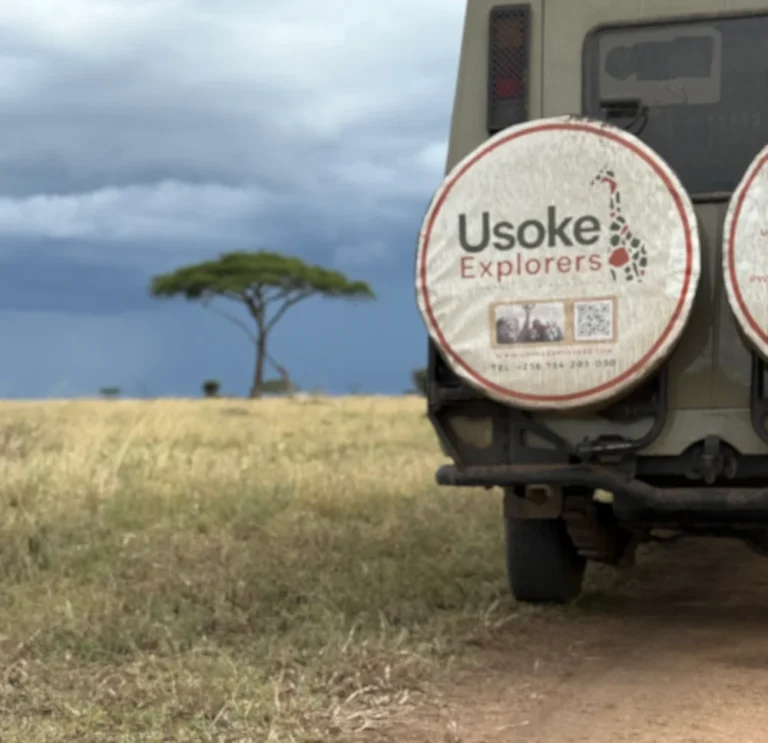
At Usoke Explorers, we specialize in tailor-made East African safari experiences, including gorilla trekking, wildlife safaris, private and small-group tours, accommodation arrangements, 4×4 safari vehicle hire, and professional driver-guide services.
We create personalized safari itineraries to suit different travel interests, schedules, accommodation preferences, and budgets, whether you are planning a mid-range wildlife holiday or an exclusive luxury safari.
Ready to discover the best safari destinations in East Africa?
Let Usoke Explorers help you turn your African safari dream into an unforgettable journey.