Skip to content
Kabwoya Wildlife Reserve – A Hidden Gem in Uganda’s Albertine Rift
Introduction
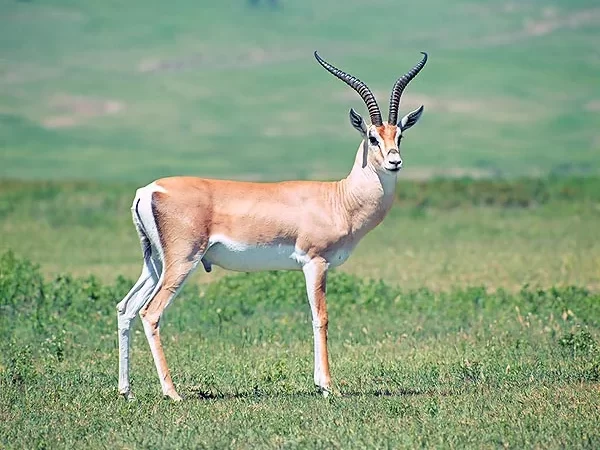
Located on the western side of the Albertine Rift Valley, amidst Lake Albert and the spectacular Blue Mountains of Congo, Kabwoya Wildlife Reserve spans 8,700 square kilometres. The reserve boasts remote savannah plains that are home to a diverse range of wildlife, including buffaloes, antelopes, waterbucks, Uganda kobs, bushbucks, bush duikers, Jackson’s hartebeests, impalas, hippos, and primates like vervet monkeys, chimpanzees, baboons, and black-and-white colobus monkeys. Birdwatchers will also find a haven in Kabwoya, as the reserve is home to over 460 bird species.
History
Originally gazetted as a conservation area in 1963 as part of the Kaiso-Tonya Controlled Hunting Area, the reserve faced a significant loss of wildlife due to poaching during Uganda’s civil war. In 2002, the reserve was officially upgraded to its current status to support conservation efforts. Today, Kabwoya Wildlife Reserve is a protected area managed by the Uganda Wildlife Authority, working to restore and preserve its rich biodiversity.
Wildlife in Kabwoya Wildlife Reserve
Kabwoya Wildlife Reserve is home to a diverse range of wildlife species, making it an excellent destination for safari lovers. Visitors can encounter:
Mammals:
-
Buffaloes
-
Antelopes
-
Waterbucks
-
Uganda kobs
-
Bushbucks
-
Bush duikers
-
Jackson’s hartebeests
-
Impalas
-
Hippos
-
Primates: Vervet monkeys, chimpanzees, baboons, black-and-white colobus monkeys
Bird Species:
The reserve is home to over 460 bird species, including:
-
Western nicator
-
Yellow-billed oxpeckers
-
Black-headed weavers
-
Grey parrot
-
Northern carmine bee-eaters
-
Strip-breasted tit
-
Dwarf honey guide
-
Bare-faced go-away bird
Activities in Kabwoya Wildlife Reserve
Wildlife Viewing
Wildlife enthusiasts can enjoy a game drive in a 4×4 safari vehicle, offering a close encounter with the diverse wildlife species in the reserve. The best time for game drives is early morning and late evening when animals are most active.
Nature Walks
A must-do in the reserve, nature walks offer stunning views of antelopes, warthogs, primates, bird species, and more along the Rift Valley escarpment. Guided walks provide an intimate experience with nature and the opportunity to spot smaller wildlife and plants.
Bird Watching
With over 460 species of birds, Kabwoya is a birding paradise, attracting migratory, resident, and Albertine Rift endemic birds. Don’t forget to bring your binoculars and camera!
Mountain Biking
The savannah plains offer scenic biking trails, giving tourists the opportunity to enjoy wildlife viewing while getting some exercise. Biking is a unique way to explore the reserve’s diverse landscapes.
Fishing
Head to Lake Albert for fishing, where tourists can catch the Nile Perch. For safety, only three anglers are allowed per boat. Fishing permits are required and can be arranged through the Uganda Wildlife Authority.
Fossil Hunting
Kabwoya is a great destination for fossil hunting, where visitors can explore the remains of animals that have existed for generations. The reserve’s geological history makes it a fascinating destination for those interested in paleontology.
Quad Bike Rides
Unique to Kabwoya, quad biking allows tourists to view wildlife in an exciting and scenic way. This thrilling activity is perfect for adventure seekers looking to explore the reserve’s rugged terrain.
Horseback Rides
For a more tranquil wildlife experience, tourists can enjoy horseback riding in the reserve, offering views of Uganda kobs, warthogs, duikers, and buffaloes. This gentle activity is suitable for all skill levels.
Where to Stay
Visitors can stay at Lake Albert Safari Lodge, a comfortable accommodation option within the reserve. The lodge offers stunning views of Lake Albert and the Blue Mountains, with easy access to the reserve’s activities.
How to Get There
The easiest route to the reserve is via the Kampala–Hoima road, followed by the Busunju–Kiboga road, covering a distance of approximately 240 kilometres. The drive takes approximately 4 to 5 hours, passing through scenic countryside and traditional villages.
Best Time to Visit
The reserve is open year-round, but the best time to visit is during the dry months from June to September and December to February. During this time, wildlife is easier to spot, and the roads are in better condition. The wet seasons (March–May and October–November) bring lush vegetation, making the reserve beautiful for photography, but trails can be muddy and challenging.
Conclusion
Kabwoya Wildlife Reserve offers a unique and enriching experience, blending wildlife, adventure, and the natural beauty of the Albertine Rift. Whether you are interested in game drives, hiking, bird watching, or simply taking in the scenery, this reserve promises a memorable adventure. Its remote location and diverse wildlife make it a hidden gem waiting to be explored.