
What is the Wildebeest Migration?
The Great Migration, also known as the Wildebeest Migration, is one of the last great terrestrial animal movements on Earth. Each year, over 1.5 million wildebeests, accompanied by hundreds of thousands of zebras, gazelles, and impalas, make a dramatic circular journey through Tanzania’s Serengeti and Kenya’s Masai Mara.
This epic movement, guided by rain and new grass, showcases everything from births and crossings to predator attacks, making it one of nature’s most awe-inspiring events.
Why Do Wildebeests Migrate?
At the heart of this migration is a quest for fresh grazing and water. As the rains shift across East Africa, they signal where the new grasslands will grow. Wildebeests—driven by instinct and possibly the scent of rain or air pressure—move as a unit in response.
The zebras and gazelles play a vital role too:
- Zebras graze on long, coarse grass.
- Wildebeests follow behind, feeding on the shorter shoots.
- Gazelles, the smallest, feed on the shortest grass left behind.
This harmonious feeding order ensures sustainability while also offering strength in numbers against predators.
Where Does the Wildebeest Migration Happen?
This natural drama unfolds in a year-round loop through:
- Ndutu Plains (Southern Serengeti) – calving season.
- Central and Western Serengeti – seasonal grazing.
- Grumeti River – early river crossings.
- Mara River (Northern Serengeti & Masai Mara) – famous crossing scenes.
- Return to the south through Loliondo and Eastern Serengeti.
There’s no fixed beginning or end—just an ongoing cycle of survival.
Kenya vs. Tanzania – Where to Go for the Migration Safari
Tanzania
- Serengeti National Park is larger and offers more remote, exclusive lodges.
- Better for calving (Jan–Mar) and the Mara River crossings (Jul–Oct).
- Requires more internal flights, which may increase costs.
Kenya
- Masai Mara National Reserve is more accessible with a shorter migration season (Jul–Oct).
- Greater number of budget accommodations and flights.
- Ideal for first-time safari-goers and families.
Best of both worlds? Combine the two for a complete migration loop.
The Migration Cycle by Month – What to See and When
| Month | Location | Highlights |
|---|---|---|
| Jan–Mar | Ndutu Plains | Calving season and predator activity |
| Apr–Jun | Central & Western Serengeti | Herds move north; Grumeti River crossings |
| Jul–Oct | Northern Serengeti & Masai Mara | Mara River crossings; intense predator action |
| Nov–Dec | Eastern Serengeti & Loliondo | Return to the south; fewer crowds |
Dramatic River Crossings: Where and How to Catch Them
The Mara River crossings are the migration’s most dramatic moments. You’ll witness:
- Thousands of wildebeests leaping into crocodile-infested waters.
- Massive build-ups before crossings.
- Swarm intelligence at play as herds assess, wait, and then move.
While Grumeti River crossings are less chaotic, they are still thrilling and far less crowded.
Wildlife Beyond Wildebeests: What Else to Expect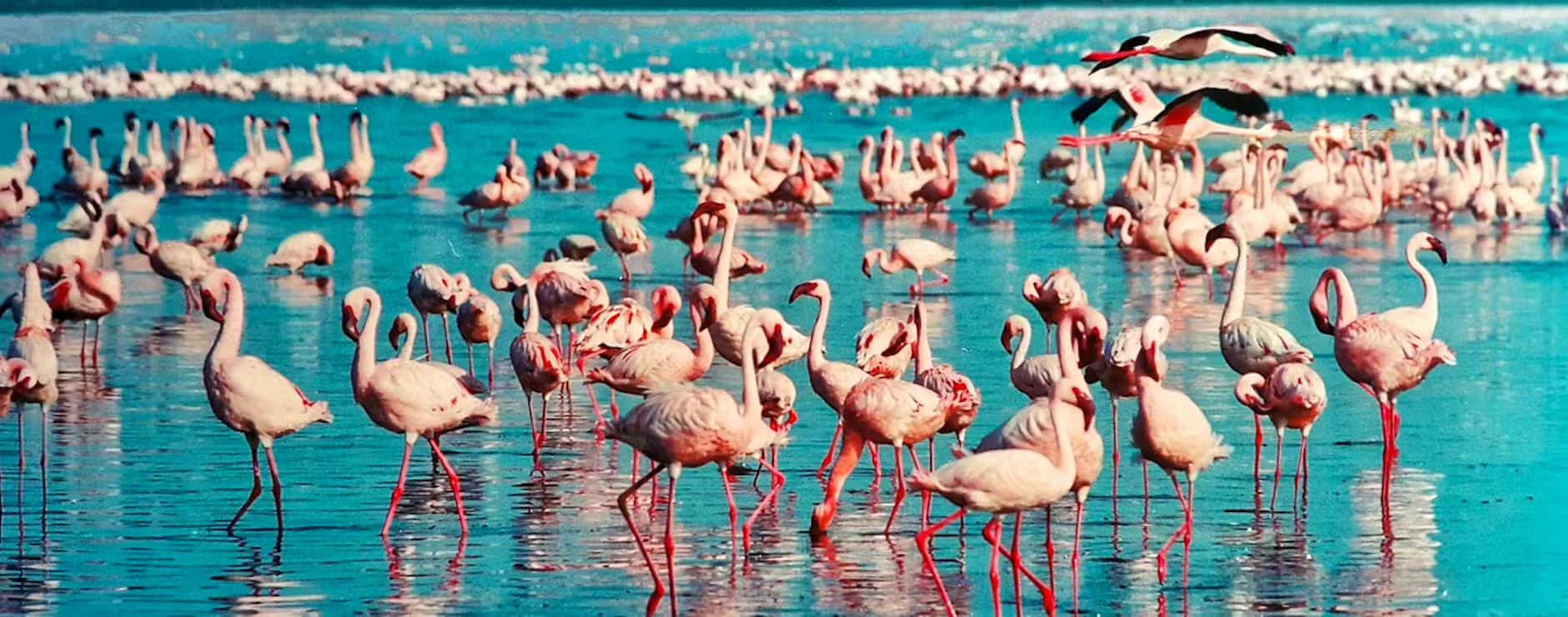
The Great Migration is more than just wildebeests:
- Zebras, gazelles, and impalas accompany the herds.
- Lions, cheetahs, hyenas, and leopards lie in wait.
- Bird lovers can spot raptors, storks, flamingoes, and hundreds more species.
Planning Your Wildebeest Migration Safari
Book Early:
Camps fill fast, especially around July to October.
Pick the Right Operator:
Choose a company that:
- Tracks the herds in real-time
- Offers mobile camps or fly-in safaris
- Respects wildlife and local communities
What to Pack:
- Neutral-colored clothing
- Binoculars & camera with zoom lens
- Insect repellent, hat, sunscreen
- Reusable water bottle and travel insurance
Migration Safari for Families vs. Luxury Travelers
| Traveler Type | Best Option |
|---|---|
| Families | Masai Mara (shorter drives, affordable lodges) |
| Luxury Seekers | Serengeti (private camps, exclusive areas) |
| Photographers | Northern Serengeti during crossings |
| Adventurers | Combine Tanzania’s west (Katavi, Ruaha) with migration zones |
The Science Behind the Movement: Swarm Intelligence and Coordination
Herds exhibit “swarm intelligence”—they assess riverbanks, wait until safe, and cross as a unit. This behavior:
- Minimizes risk
- Increases survival
- Highlights a level of coordination scientists are still trying to understand
Watch for lookouts—alert individuals that guide herd movement and sound the alarm when predators are spotted.
Conservation Concerns and Threats to the Migration
The migration faces serious threats:
- Human encroachment and settlement along park borders
- Fencing and land conversion for agriculture
- Tourism pressure, especially near river crossings
Preserving migration corridors is essential for the survival of this ecosystem.
The Role of Conservancies and Local Communities
Community-based conservancies have helped balance:
- Land ownership and wildlife protection
- Revenue-sharing through tourism
- Reduced poaching and improved management
Engaging the Maasai and local tribes ensures long-term preservation and empowerment.
Climate Change and the Future of the Migration
As climate change leads to:
- More unpredictable rainfall
- Longer drought periods
- Shifts in vegetation growth
…the migration’s timing and path may be altered. This poses risks to the delicate Serengeti-Mara balance.
Ethical Tips for a Responsible Migration Safari
- Choose eco-certified tour operators
- Limit noise and flash photography
- Never block an animal’s path
- Support lodges and guides who give back to the community
- Offset your carbon footprint
Travel ethically to ensure this wild miracle continues for future generations.
Conclusion: Witnessing the Migration – A Life-Changing Safari Experience
The wildebeest migration is more than a bucket-list event—it’s a living story of survival, instinct, and resilience. From watching calves take their first steps in Ndutu to dramatic crossings on the Mara River, each moment is unforgettable.
With the right planning, timing, and ethical approach, your wildebeest migration safari will leave you breathless—and deeply connected to one of Earth’s greatest wildlife wonders.
❓Frequently Asked Questions (FAQs)
1. When is the best time to see the wildebeest migration?
January–March for calving season in Ndutu; July–October for dramatic river crossings in Serengeti and Masai Mara.
2. Is Kenya or Tanzania better for the migration?
Kenya is more budget-friendly and accessible. Tanzania offers more space, exclusivity, and longer migration exposure.
3. Can I see river crossings on a short safari?
It’s possible but not guaranteed. River crossings are unpredictable and require patience and planning.
4. What wildlife can I see besides wildebeests?
Zebras, gazelles, lions, cheetahs, hyenas, crocodiles, and over 400 species of birds.
5. How many days should I plan for a migration safari?
7 to 10 days is ideal, covering at least two different regions to maximize your chances.
6. Are migration safaris safe for children?
Yes. Choose family-friendly lodges and areas like the Masai Mara for shorter drives and engaging activities.


