Skip to content
Why Kenya is Africa’s Premier Safari Destination
Kenya has long stood as one of Africa’s most iconic safari destinations. With a vast network of national parks, game reserves, and private conservancies, the country offers unmatched diversity in wildlife viewing, birdwatching, and ecological landscapes.
From the arid semi-deserts of the north to the acacia-dotted savannahs and the lush highlands, Kenya’s safari circuit is a bucket-list dream for travelers across the globe. And the best part? Whether you’re a first-timer or seasoned adventurer, Kenya’s parks cater to all.
Masai Mara National Reserve: The Heart of the Great Migration
No list of Kenya safari destinations is complete without the legendary Masai Mara. Bordering Tanzania’s Serengeti, this reserve forms part of the greater ecosystem and offers the best seats in the house for the Wildebeest Migration between July and October.
Why Visit:
- Spot lions, cheetahs, and elephants year-round.
- Witness river crossings during the migration.
- Enjoy hot-air balloon rides over

- Interact with Maasai communities in nearby villages.
Amboseli National Park: Iconic Elephants & Kilimanjaro Views

Set in southern Kenya, Amboseli delivers two powerful safari highlights: large herds of elephants and majestic views of Mt.Kilimanjaro.
- Ideal for photography and close-up elephant encounters.
- Experience wetland-rich areas attracting buffalo, hippos, and birds.
- Visit nearby community-run conservancies for insights into local conservation.
Lake Nakuru National Park: Flamingos, Rhinos & Rift Valley Wonders
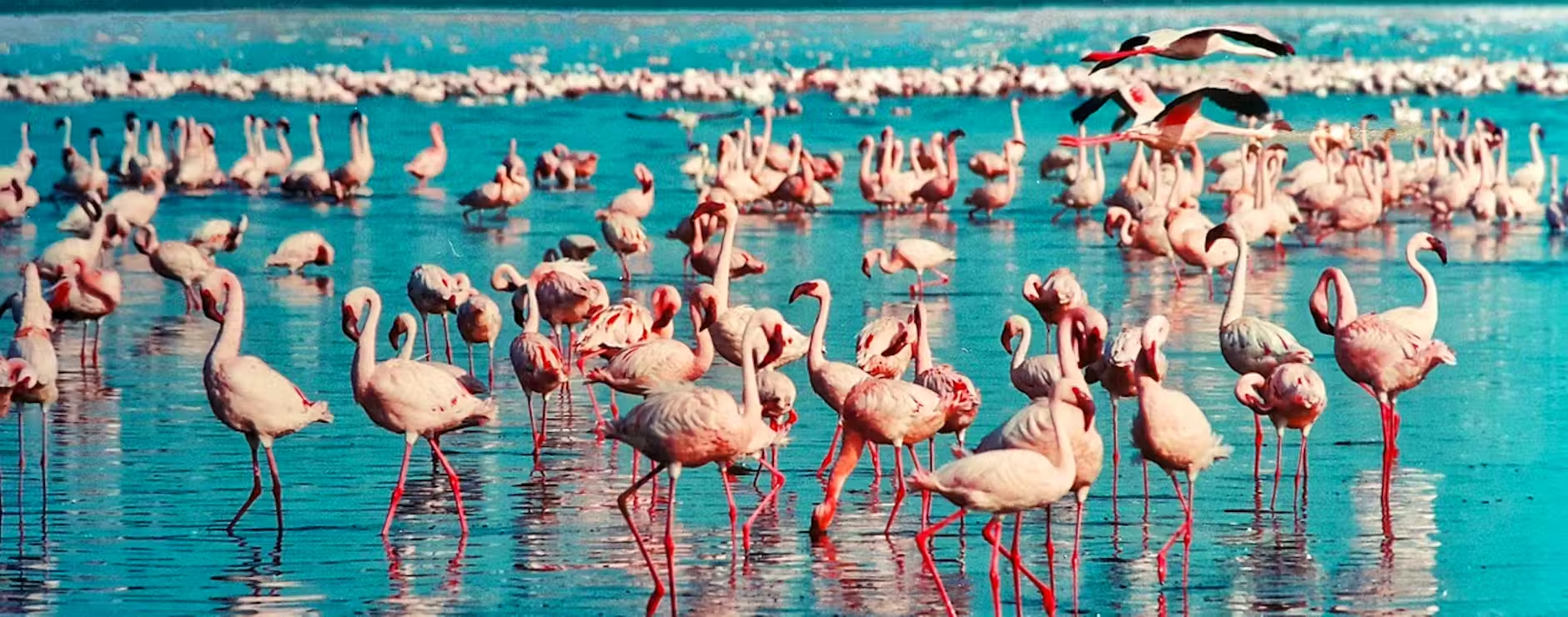
A short distance from Nakuru City, this national park centers around Lake Nakuru, a soda lake once famed for its pink flamingo flocks.
Highlights:
- White and black rhinos roam freely.
- Home to the rare Rothschild’s giraffe.
- Excellent for birdwatching, including pelicans and cormorants.
Tsavo East & West: Kenya’s Largest and Wildest Parks
Combined, Tsavo East and Tsavo West make up Kenya’s largest protected area, stretching across endless plains and volcanic ridges.
- Tsavo East: Vast, dry, and home to dust-red elephants and open landscapes.
- Tsavo West: Lush springs, lava fields, and a dense mix of wildlife.
Make sure to give yourself enough time—a quick safari won’t do these parks justice.
Meru National Park: Remote Wilderness and Revival
Once a top destination, Meru National Park fell off the radar during the poaching crisis of the 1980s. Today, it’s a quiet haven rebounding with wildlife and offering true wilderness.
- See lions, elephants, and reticulated giraffes.
- Enjoy crowd-free game drives.
- Part of the park’s allure lies in its undiscovered charm.
Samburu, Buffalo Springs & Shaba: North Kenya’s Untamed Wilds
Tucked away in northern Kenya, this trio of reserves showcases dramatic terrain, unique wildlife, and rich Samburu culture.
- Home to “Samburu Special Five”: grevy’s zebra, Somali ostrich, gerenuk, reticulated giraffe, and beisa oryx.
- Elephant herds congregate along the Ewaso Nyiro River.
- Rugged, hot, and adventurous—a perfect contrast to the south

Laikipia Plateau: Conservation, Community & Northern White Rhinos
Located in central Kenya, the Laikipia region is a network of private and community-owned conservancies, redefining conservation.
- Visit Ol Pejeta Conservancy, home to the last two northern white rhinos.
- Excellent for walking safaris, night drives, and volunteering programs.
- Experience a blend of luxury and authentic community engagement.
Nairobi National Park: Big Game on the Capital’s Doorstep

Only 15 minutes from Nairobi’s CBD, this is the world’s only national park within a capital city.
- Spot lions, rhinos, leopards, and more with a city skyline backdrop.
- Easy day-trip for travelers with limited time.
- Combine with a visit to the David Sheldrick Wildlife Trust and Giraffe Centre.

Hidden Safari Gems in Kenya: Off-the-Grid Wonders
While famous parks get most of the attention, Kenya hides extraordinary safari treasures off the typical route.
Explore:
- Kakamega Forest Reserve – Tropical rainforest rich in primates and birds.
- Aberdare National Park – Montane jungle, waterfalls, and moorland hikes.
- Saiwa Swamp – Home to the rare sitatunga antelope.
- Ruma National Park – Kenya’s last refuge for roan antelope.
- Chyulu Hills & Hell’s Gate – Perfect for hiking, biking, and adventure.
Tips for a Balanced and Rewarding Kenya Safari
Safari isn’t all about driving. Mix in:
- Bush walks to connect deeply with the land.
- Community visits to learn local culture.
- Downtime at your camp to listen to the sounds of the wild.
Avoid itineraries packed with nonstop game drives—they exhaust even the most eager wildlife lovers.
Self-Drive vs. Guided Safari in Kenya
| Type | Pros | Cons |
|---|---|---|
| Self-Drive | Flexible, cost-effective | Navigation challenges, safety |
| Guided | Expertise, comfort | More expensive, less flexible |
For remote regions like Samburu or Tsavo, a guide is often preferable.
When to Visit Kenya for the Best Safari Experience
| Month | Best For |
|---|---|
| Jan–Feb | Dry season; great wildlife visibility |
| Mar–May | Green season; fewer crowds, occasional rains |
| Jun–Oct | Peak safari season & Wildebeest Migration |
| Nov–Dec | Shoulder season; good sightings, lower rates |
Planning Your Safari: Duration, Cost & Comfort
- Duration: 7–12 days is ideal for visiting 3–4 locations.
- Budget: Midrange safaris start around $300/day; luxury from $800/day.
- What to Pack: Neutral clothing, binoculars, camera gear, hat, sunscreen, insect repellent.
Conservation Matters: Ethical Safari Choices
Support Kenya’s wildlife by:
- Booking with eco-certified operators.
- Staying at community-owned lodges.
- Participating in wildlife research or anti-poaching tours.
Every dollar counts toward preserving Kenya’s unique ecosystems and communities.
Conclusion: Kenya – A Safari Dream with Endless Possibilities
From the thunder of hooves in the Masai Mara to the whisper of rain in Kakamega Forest, Kenya’s safari experiences are as diverse as its landscapes. Whether you crave raw wilderness, intimate animal encounters, or cultural immersion, Kenya delivers a safari of a lifetime.
Plan wisely, travel responsibly, and let this land of giants leave a mark on your soul.
❓Frequently Asked Questions (FAQs)
1. What is the best time to visit Kenya for safari?
June to October is peak season for wildlife and the wildebeest migration, but January–February is also excellent.
2. Is it safe to go on safari in Kenya?
Yes, when traveling with registered tour operators. Follow local advice and respect park rules.
3. Can I combine multiple parks in one trip?
Absolutely! It’s common to visit 3–4 parks over a 7–10 day safari.
4. Are Kenya safaris good for kids?
Yes, especially in family-friendly lodges. Parks like Nairobi NP, Laikipia, and Nakuru are great for shorter trips.
5. How much does a safari in Kenya cost?
It varies by season and comfort level. Mid-range safaris cost $250–$400/day; luxury options exceed $800/day.
6. What wildlife can I expect to see?
The Big Five (lion, elephant, buffalo, leopard, rhino), plus cheetahs, zebras, giraffes, wildebeests, and over 1,000 bird species.