Skip to content
Mount Kilimanjaro, Africa’s highest peak at 5,895 meters, offers several routes to its summit, each with unique features. Among them, the Rongai Route stands out for its tranquility, scenic beauty, and high success rate. For those seeking a less crowded and more gradual ascent, the Rongai Route provides an exceptional trekking experience.
🌟 Why Choose the Rongai Route?
1. Exclusive Northern Approach
The Rongai Route is the only trail that starts from Kilimanjaro’s northern side, near the Kenyan border. This remote starting point offers a unique perspective of the mountain and is less frequented by trekkers, providing a serene environment.
2. Excellent Acclimatization Profile
With its steady and gradual ascent, the Rongai Route allows climbers to adjust to the altitude more effectively, reducing the risk of altitude sickness and increasing the chances of a successful summit.
3. Diverse and Stunning Landscapes
Trekkers traverse through various ecological zones, from lush rainforests to alpine deserts, experiencing the rich biodiversity and breathtaking views of Kilimanjaro’s northern slopes.
4. Wildlife Encounters
Due to its proximity to wilderness areas, there’s a higher chance of spotting wildlife such as colobus monkeys, antelopes, and exotic birds along the trail.
5. Ideal for Solitude Seekers
The Rongai Route is less crowded compared to other routes like Machame or Marangu, making it perfect for trekkers who prefer a quieter and more personal experience.
🗺️ 7-Day Rongai Route Itinerary
Day 1: Rongai Gate (1,950m) to Simba Camp (2,650m)
- Distance: 8 km
- Duration: 3-4 hours
- Habitat: Rainforest
The trek begins in a dense montane forest, offering opportunities to see diverse flora and fauna.
Day 2: Simba Camp to Second Cave (3,450m)
- Distance: 12 km
- Duration: 5-6 hours
- Habitat: Moorland
The trail ascends through moorland, providing panoramic views of the surrounding landscapes.
Day 3: Second Cave to Kikelewa Camp (3,600m)
- Distance: 8 km
- Duration: 4-5 hours
- Habitat: Alpine Desert
A shorter day to aid acclimatization, with the landscape becoming more rugged and sparse.
Day 4: Kikelewa Camp to Mawenzi Tarn (4,330m)
- Distance: 6 km
- Duration: 3-4 hours
- Habitat: Alpine Desert
A steep climb leads to Mawenzi Tarn, a scenic campsite beneath the towering Mawenzi Peak.
Day 5: Mawenzi Tarn to Kibo Hut (4,700m)
- Distance: 9 km
- Duration: 5-6 hours
- Habitat: Alpine Desert
The trail crosses the barren Saddle Plateau, offering views of both Mawenzi and Kibo peaks.
Day 6: Summit Day – Kibo Hut to Uhuru Peak (5,895m) to Horombo Hut (3,720m)
- Distance: 22 km
- Duration: 10-12 hours
- Habitat: Arctic Zone
A midnight start leads to the summit at Uhuru Peak, followed by a descent to Horombo Hut for rest.
Day 7: Horombo Hut to Marangu Gate (1,860m)
- Distance: 20 km
- Duration: 5-6 hours
- Habitat: Rainforest
The final descent passes through lush rainforest, concluding the trek at Marangu Gate.
⚠️ Challenges to Consider
- Altitude Sickness: Despite the gradual ascent, acclimatization is crucial. Trekkers should be aware of symptoms and take necessary precautions.
- Cold Temperatures: Higher elevations can be extremely cold, especially during summit night. Proper gear is essential.
- Physical Demands: The trek requires good physical fitness, particularly for the long summit day.
- Camping Accommodations: Unlike the Marangu Route, there are no huts; trekkers will camp throughout the journey.
📅 Best Time to Trek
- January to March: Warm and dry conditions with clear skies.
- June to October: Cooler temperatures but stable weather.
- Avoid: April-May and November due to heavy rains and slippery trails.
🎒 Essential Packing List
- Clothing: Moisture-wicking base layers, insulated jacket, waterproof outer shell, warm gloves, hat, and buff.
- Gear: Sleeping bag rated for -10°C or lower, trekking poles, headlamp, high-altitude sunglasses.
- Health & Safety: Diamox (if prescribed), rehydration salts, first-aid kit.
✅ Tips for a Successful Summit
- Train in Advance: Focus on endurance and cardiovascular fitness.
- Stay Hydrated: Drink at least 3-4 liters of water daily.
- Pace Yourself: Adopt the “pole pole” (slowly, slowly) approach.
- Choose a Reputable Guide: Ensure your operator follows ethical guidelines and has experienced guides.
🧭 Is the Rongai Route Right for You?
The Rongai Route is ideal for trekkers seeking a quieter path with gradual ascent and diverse landscapes. Its high success rate and unique northern approach make it a compelling choice for both novice and experienced climbers.
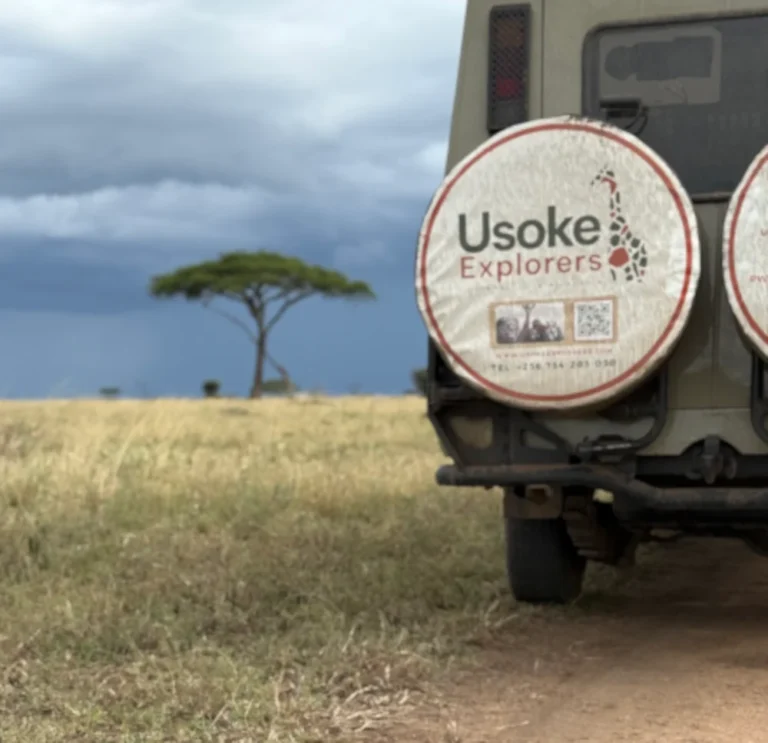
🌐 Plan Your Kilimanjaro Adventure with Usoke Explorers
At Usoke Explorers, we specialize in crafting unforgettable trekking experiences tailored to your preferences. Our experienced guides, commitment to safety, and personalized service ensure a memorable journey to the Roof of Africa.
Contact Us:
- Website: www.usokeexplorers.com
- Email: info@usokeexplorers.com
- Phone: +256 754-203-030
Embark on the adventure of a lifetime with Usoke Explorers!