Skip to content
Gorilla Trekking in Uganda & Rwanda (2026): Complete Guide to Costs, Permits, Best Time & Safari Packages
Last Updated: February 2026
Gorilla trekking in East Africa remains one of the most exclusive and transformative wildlife experiences in the world. For many travelers, visiting Uganda or Rwanda is primarily motivated by the rare opportunity to observe mountain gorillas in their natural forest habitat. This comprehensive 2026 guide provides in-depth insights into trekking destinations, permit costs, safari pricing, travel seasons, accommodation options, and practical planning strategies to help you design an efficient and memorable gorilla safari.
What is Gorilla Trekking?
Gorilla trekking is an eco-tourism activity that involves hiking through dense tropical rainforests in search of habituated mountain gorilla families. Once located, visitors are allowed a strictly regulated one-hour interaction window to observe the gorillas’ behavior, social dynamics, and feeding habits at close range under ranger supervision.
This experience takes place in protected conservation areas and contributes directly to wildlife preservation and community development through permit revenue.
Best Time for Gorilla Trekking in Uganda & Rwanda
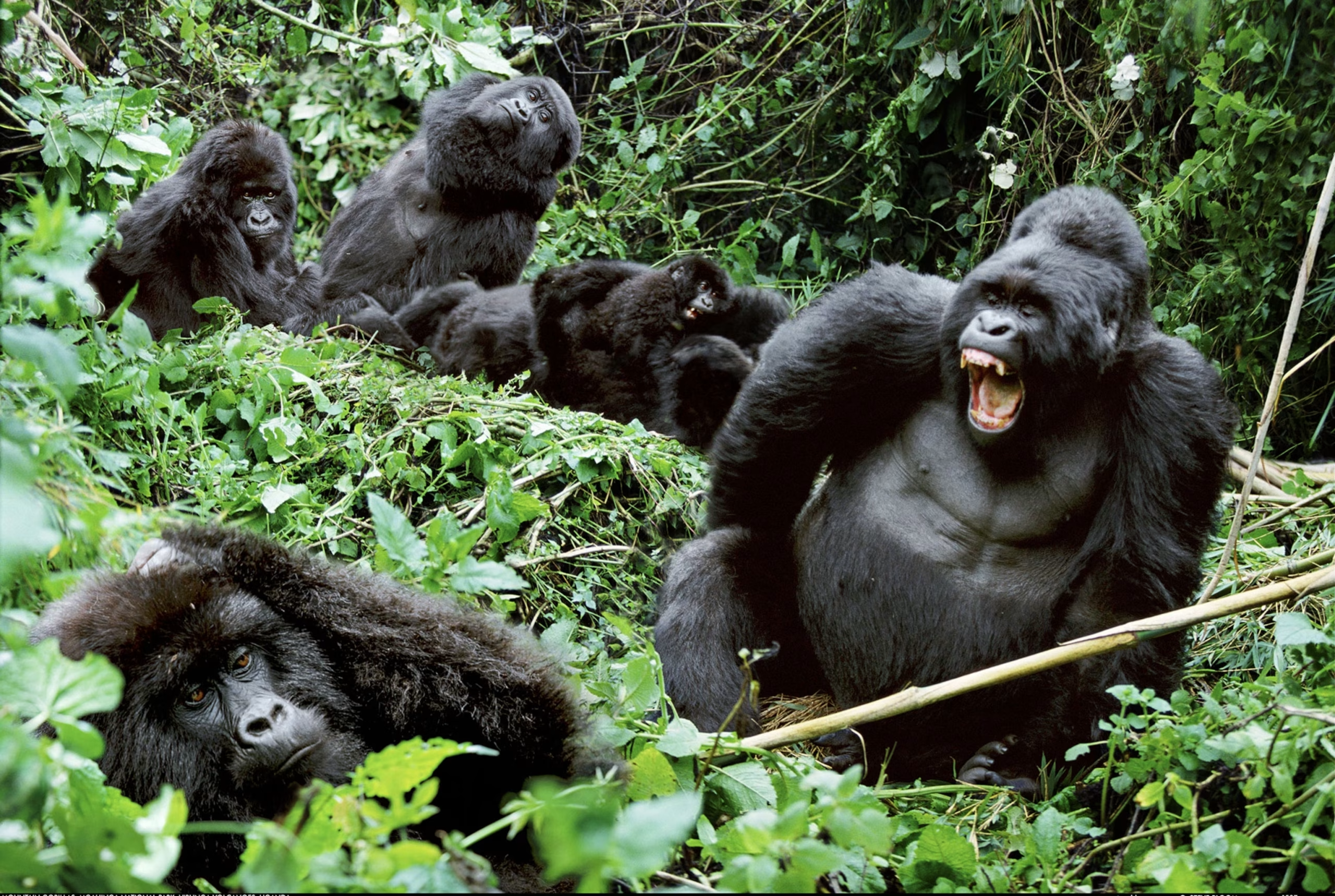
Although gorilla trekking is conducted year-round, seasonal variations significantly affect trail conditions, visibility, and overall trekking comfort.
Peak Dry Season (Highly Recommended)
- June to September
- December to February
- Easier hiking conditions due to reduced rainfall
- Higher gorilla visibility and better photography conditions
- High demand for permits—advance booking required
Low Season (Budget-Friendly Option)
- March to May
- October to November
- Heavy rainfall leads to muddy, slippery trails
- Fewer tourists and discounted accommodation rates
Climate Overview
- Average morning temperature: 11°C
- Average daytime temperature: 23°C
- High-altitude forest conditions can change rapidly
Where to Go for Gorilla Trekking in Africa
Mountain gorillas are found in only three countries globally:
Uganda (Best Overall Value)
- Bwindi Impenetrable National Park
- Mgahinga Gorilla National Park
- Hosts nearly half of the world’s mountain gorilla population
- Offers multiple trekking sectors and diverse wildlife experiences

Rwanda (Premium Experience)
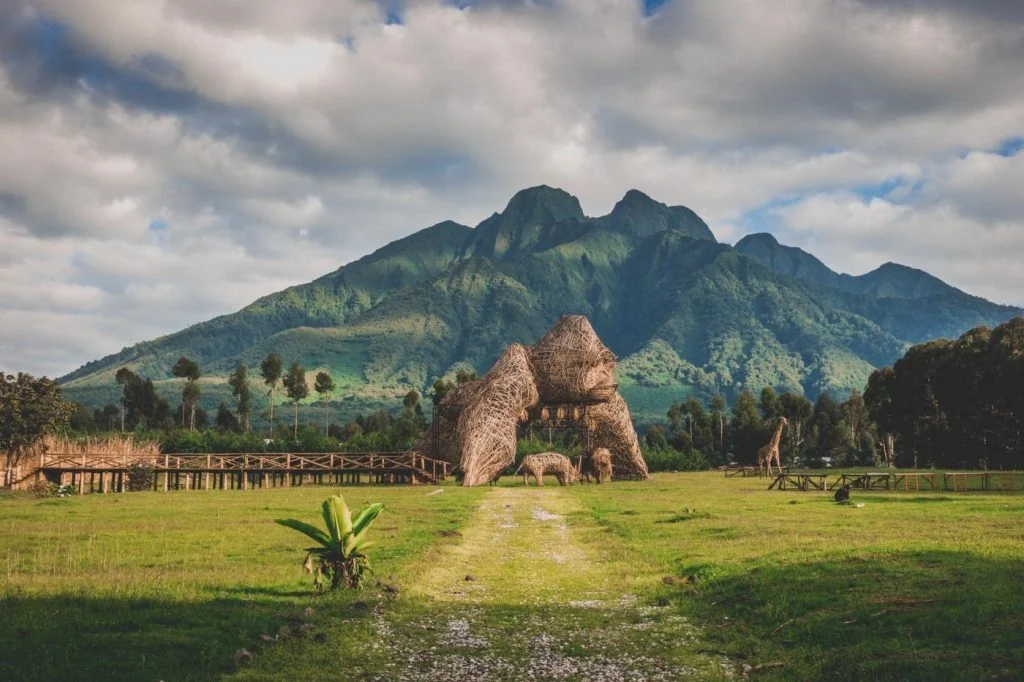
- Volcanoes National Park
- Easier access and shorter travel time from Kigali
- Focused on luxury tourism
Democratic Republic of Congo (Budget Alternative)
- Virunga National Park
- Lower permit costs but variable security conditions

Gorilla Trekking Permit Costs (2026)
Permits are mandatory and must be secured in advance through official authorities or licensed tour operators.
- Uganda: $800 per person
- Rwanda: $1,500 per person
- Congo: $400 per person
- East African citizens: UGX 250,000
What the Permit Covers:
- Park entry fees
- Ranger and guide services
- One-hour gorilla viewing session
- Conservation contribution
Gorilla Safari Costs and Packages
Gorilla trekking safaris vary widely depending on duration, accommodation level, and transport options.
Estimated Safari Pricing:
- 1-Day Gorilla Trek: from $1,200
- 2-Day Safari: from $1,380
- 3-Day Safari: from $1,550
- Luxury Packages: $4,000 – $15,000+
Mid-range packages are the most popular due to their balance between affordability and comfort.
Accommodation Options Near Gorilla Parks
Accommodation significantly influences overall safari cost and experience quality.
- Budget Lodges: $50 – $100 per night
- Mid-range Lodges: $150 – $200 per night
- Luxury Lodges: $300 – $2,500+ per night
Best practice: Choose accommodation close to your assigned trekking sector to minimize early morning travel.
Additional Costs to Budget For
When planning your safari, factor in the following:
- Meals and drinks: ~$40/day
- International flights: $500 – $2,400
- Car hire: ~$85/day
- Porter services: $20 per trek
- East African tourist visa: $100
- Travel gear and insurance
How to Reduce Gorilla Trekking Costs
- Travel in groups to share transport costs
- Choose Uganda instead of Rwanda
- Visit during low season
- Avoid charter flights
- Opt for budget or mid-range accommodation
What to Expect During the Trek
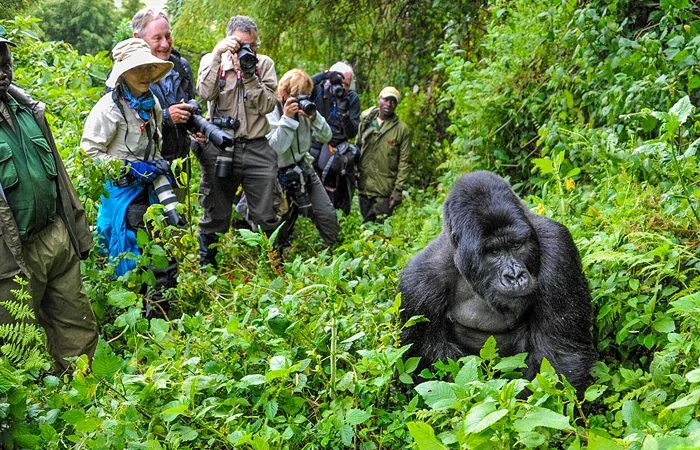
- Early morning briefing at 7:30 AM
- Allocation to a gorilla family (max 8 visitors)
- Trek duration: 2–6 hours depending on location
- One-hour interaction with gorillas
Expect physically demanding terrain, including steep slopes, dense vegetation, and muddy trails, especially during rainy months.
Gorilla Trekking Difficulty Level
Gorilla trekking is classified as a moderate hike, influenced by:
- Individual fitness level
- Weather conditions
- Terrain steepness
Porters are available to assist with carrying gear, and sedan chairs can be arranged for visitors with mobility challenges.
Gorilla Trekking Rules and Regulations
To protect both visitors and gorillas:
- Maintain a minimum distance of 7 meters
- Maximum viewing time: 1 hour
- Minimum age: 15 years
- No flash photography
- Avoid visiting when sick
Gorilla Habituation Experience
For a more immersive encounter:
- Cost: $1,500 per person
- Duration: Full day
- Group size: Maximum 4 visitors
This experience allows deeper interaction with gorillas undergoing habituation training.
Uganda vs Rwanda: Which is Better?
Uganda Advantages:
- Lower permit cost
- More gorilla families
- Greater biodiversity
Rwanda Advantages:
- Shorter travel time
- High-end luxury experience
Conclusion: Uganda offers better value, while Rwanda offers convenience and luxury.
Packing List for Gorilla Trekking
- Waterproof hiking boots
- Rain jacket or poncho
- Long-sleeved shirts and trousers
- Gloves for handling vegetation
- Insect repellent
- Camera (no flash)
- Drinking water and energy snacks
Gorilla Behavior and Ecology
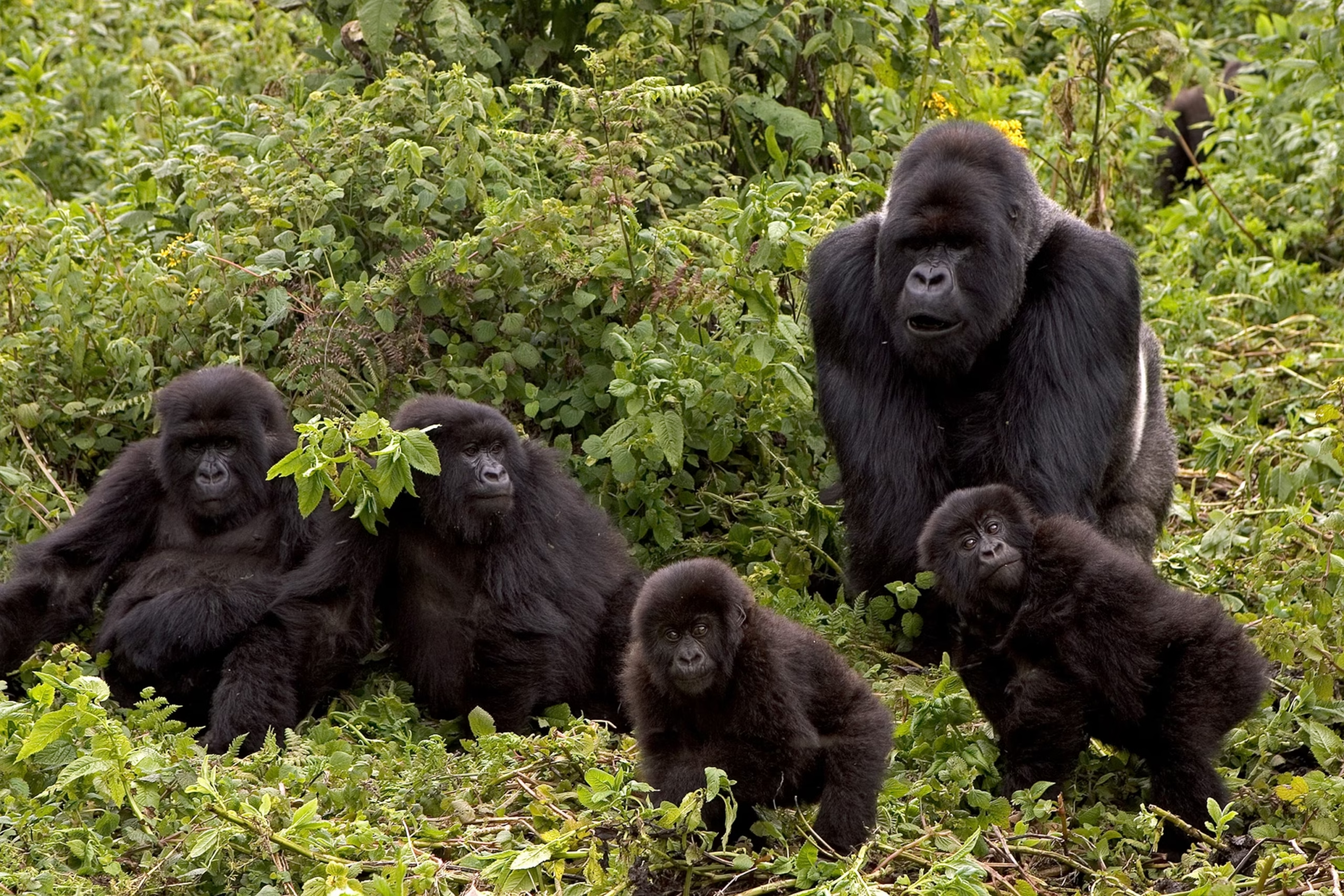
Mountain gorillas are herbivorous primates feeding on leaves, fruits, bamboo shoots, and roots. Adult gorillas can consume up to 75 pounds of vegetation daily. They live in social groups led by a dominant silverback and are generally calm unless threatened.
Conservation Impact
Gorilla trekking plays a vital role in conservation. A significant portion of permit revenue supports:
- Anti-poaching efforts
- Habitat protection
- Community development programs
The global mountain gorilla population has steadily increased due to sustained conservation initiatives.
Frequently Asked Questions (FAQs)
1. How long does a gorilla trek take?
A trek can last anywhere between 2 to 6 hours depending on the location of the gorilla family and terrain conditions.
2. Is gorilla trekking safe?
Yes, it is safe. Treks are conducted with trained rangers who ensure visitor safety and enforce strict guidelines.
3. Can beginners do gorilla trekking?
Yes. While moderately demanding, beginners can complete the trek with proper preparation and optional porter assistance.
4. Why is gorilla trekking expensive?
Costs are driven by conservation funding, limited permits, ranger services, and the exclusivity of the experience.
5. What is the minimum age for gorilla trekking?
The minimum age requirement is 15 years to ensure safety and compliance with conservation rules.
Final Thoughts
Gorilla trekking in Uganda and Rwanda offers a rare combination of adventure, conservation, and intimate wildlife interaction. While the experience requires significant planning and investment, the reward is a deeply memorable encounter with one of the planet’s most endangered species.
For 2026, Uganda remains the top recommendation for travelers seeking affordability, diversity, and authenticity in their gorilla safari experience.