Skip to content
Volcanoes National Park
Located in the northwestern region of Rwanda, Volcanoes National Park is one of Africa’s most iconic conservation destinations. Famous for its mountain gorillas and dramatic volcanic landscapes, the park sits within the Virunga Mountain range and offers one of the most accessible and rewarding gorilla trekking experiences in the world.
This comprehensive guide explores everything you need to know about visiting Volcanoes National Park in 2025–2026, including activities, costs, travel logistics, history, and expert travel tips.
Overview of Volcanoes National Park
Volcanoes National Park is a protected rainforest ecosystem that spans high-altitude terrain dominated by extinct volcanoes. It forms part of the larger Virunga Conservation Area shared with Uganda and the Democratic Republic of Congo.
The park features five major volcanic mountains:
- Mount Karisimbi
- Mount Bisoke
- Mount Muhabura
- Mount Gahinga
- Mount Sabinyo
These volcanoes create a unique habitat that supports endangered wildlife, including mountain gorillas and golden monkeys.
History of Volcanoes National Park
The park was first established in 1929 as part of a larger conservation area known as Albert National Park during colonial rule. Following independence in the 1960s, the park was divided between Rwanda and Congo, significantly reducing its size.
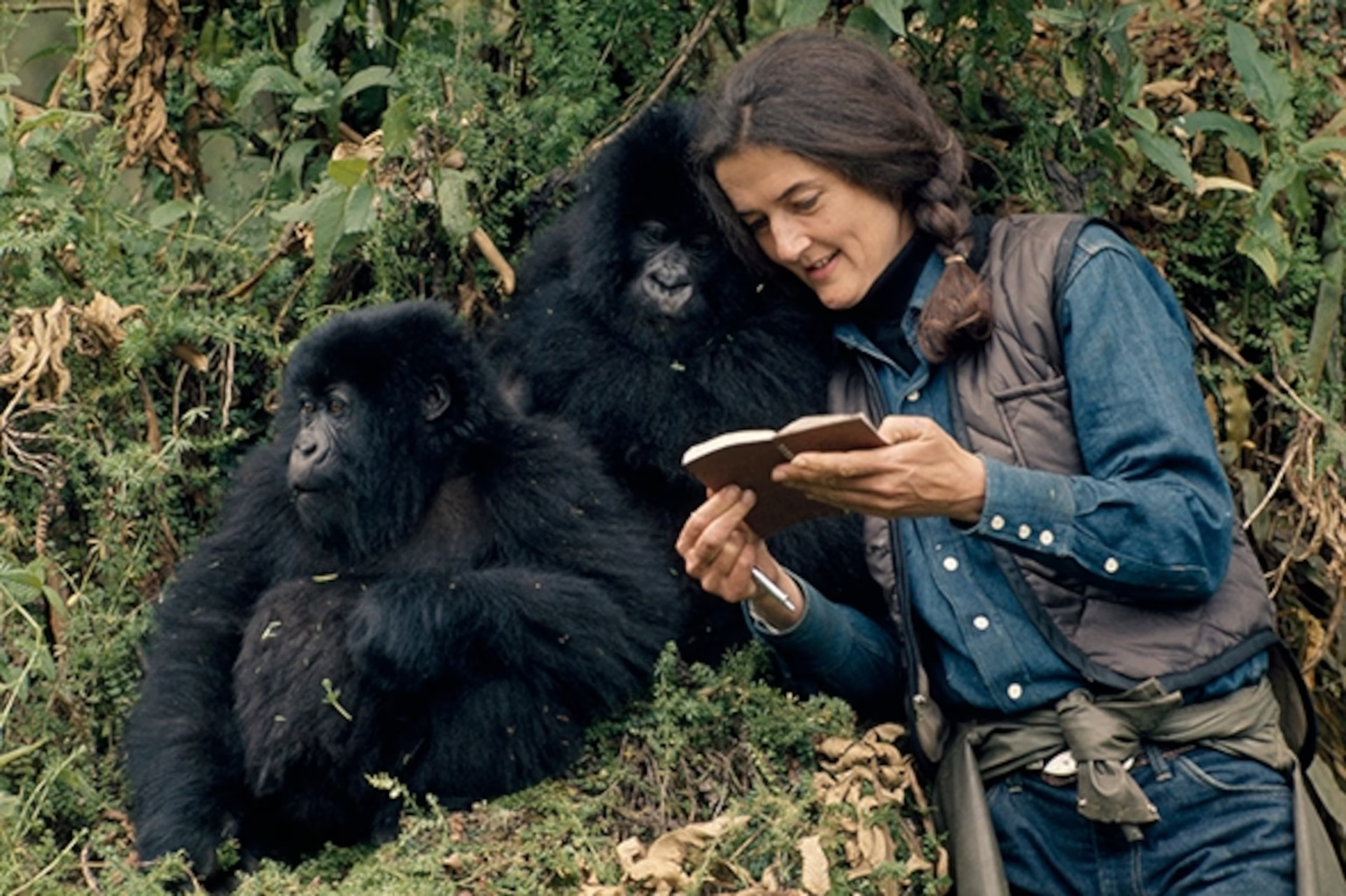
A major turning point came in 1967 when renowned primatologist Dian Fossey established the Karisoke Research Center between Mount Bisoke and Mount Karisimbi. Her work revolutionized gorilla conservation and helped protect the species from poaching.
Despite disruptions during Rwanda’s civil war in the 1990s, the park has since recovered and is now a leading eco-tourism destination. Rwanda further strengthened conservation efforts through the annual Kwita Izina ceremony, which celebrates newborn gorillas and promotes conservation awareness.
Top Things to Do in Volcanoes National Park
1. Gorilla Trekking
The main highlight of the park is tracking endangered mountain gorillas in their natural habitat. Visitors hike through dense forest terrain in small groups led by expert guides.
- Duration: 2–6 hours
- Viewing time: 1 hour
- Group size: Maximum 8 people

2. Golden Monkey Trekking
Golden monkeys are another rare primate species found in the Virunga region. This activity is less physically demanding than gorilla trekking and equally rewarding.

3. Dian Fossey Tomb Hike
This hike leads to the burial site of Dian Fossey near the Karisoke Research Center. It combines history, conservation, and scenic trekking.
4. Mountain Hiking & Volcano Climbing
Adventure seekers can hike volcanoes like Mount Bisoke and Mount Karisimbi, offering panoramic views and crater lakes.

5. Nature Walks & Twin Lakes Tours
Explore scenic landscapes including the Twin Lakes (Burera and Ruhondo), which provide excellent photography and relaxation opportunities.

Best Time to Visit Volcanoes National Park
Volcanoes National Park can be visited throughout the year, but weather conditions influence trekking experiences.
Dry Seasons (Best Time)
- June to mid-September
- December to February
- Easier hiking conditions
- Better wildlife visibility
Wet Seasons
- March to May
- October to November
- Lush scenery and fewer crowds
- Ideal for birdwatching and photography
Even during dry months, rainfall is possible due to the tropical rainforest climate.
Gorilla Trekking Costs in Volcanoes National Park
Rwanda offers a premium gorilla trekking experience with higher permit costs.
- Gorilla trekking permit: $1,500 per person
- Includes park entry, guides, and one-hour gorilla encounter
Discounted Permits (Conditions Apply)
Special offers may apply for African residents who combine gorilla trekking with visits to other parks such as Akagera National Park or Nyungwe Forest National Park.
How to Get to Volcanoes National Park
The park is highly accessible compared to other gorilla destinations.
- Distance from Kigali: ~106 km
- Travel time: 2–3 hours by road
- Road conditions
This short distance makes Rwanda ideal for short gorilla trekking trips, including 1–3 day itineraries.
Trekking Difficulty in Volcanoes National Park
Trekking in Volcanoes National Park is generally considered moderate.
- Terrain: Mountainous but less dense than Bwindi
- Elevation: High altitude
- Trails:
Porters are available to assist visitors, making the trek manageable even for less experienced hikers.
Packing List for Gorilla Trekking
Proper preparation is essential due to the forest environment.
- Waterproof hiking boots
- Long-sleeved shirts and trousers
- Rain jacket or poncho
- Gloves for vegetation handling
- Insect repellent
- Drinking water
- Camera (no flash)
- Hat or cap
Why Volcanoes National Park Stands Out
Volcanoes National Park offers several unique advantages:
- Short travel time from Kigali
- Well-developed tourism infrastructure
- High-end luxury safari experiences
- Strong conservation programs
- Scenic volcanic landscapes
Frequently Asked Questions (FAQs)
1. How long does it take to reach Volcanoes National Park from Kigali?
It takes approximately 2 to 3 hours by road from Kigali.
2. What is the cost of gorilla trekking in Volcanoes National Park?
The permit costs $1,500 per person, including park entry and guided trekking.
3. Is gorilla trekking in Rwanda safe?
Yes. The park is well-managed, and all treks are conducted with trained rangers ensuring safety.
4. How difficult is gorilla trekking in Volcanoes National Park?
It is moderately challenging but easier compared to some Ugandan parks due to less dense vegetation.
5. What is the minimum age for gorilla trekking?
The minimum age requirement is 15 years.
Final Thoughts
Volcanoes National Park is one of Africa’s premier wildlife destinations, offering a rare blend of adventure, conservation, and luxury tourism. Whether you are trekking gorillas, hiking volcanoes, or exploring Rwanda’s breathtaking landscapes, the experience is both immersive and impactful.
For travelers seeking convenience, premium services, and unforgettable wildlife encounters in 2026, Volcanoes National Park remains one of the best choices in Africa.